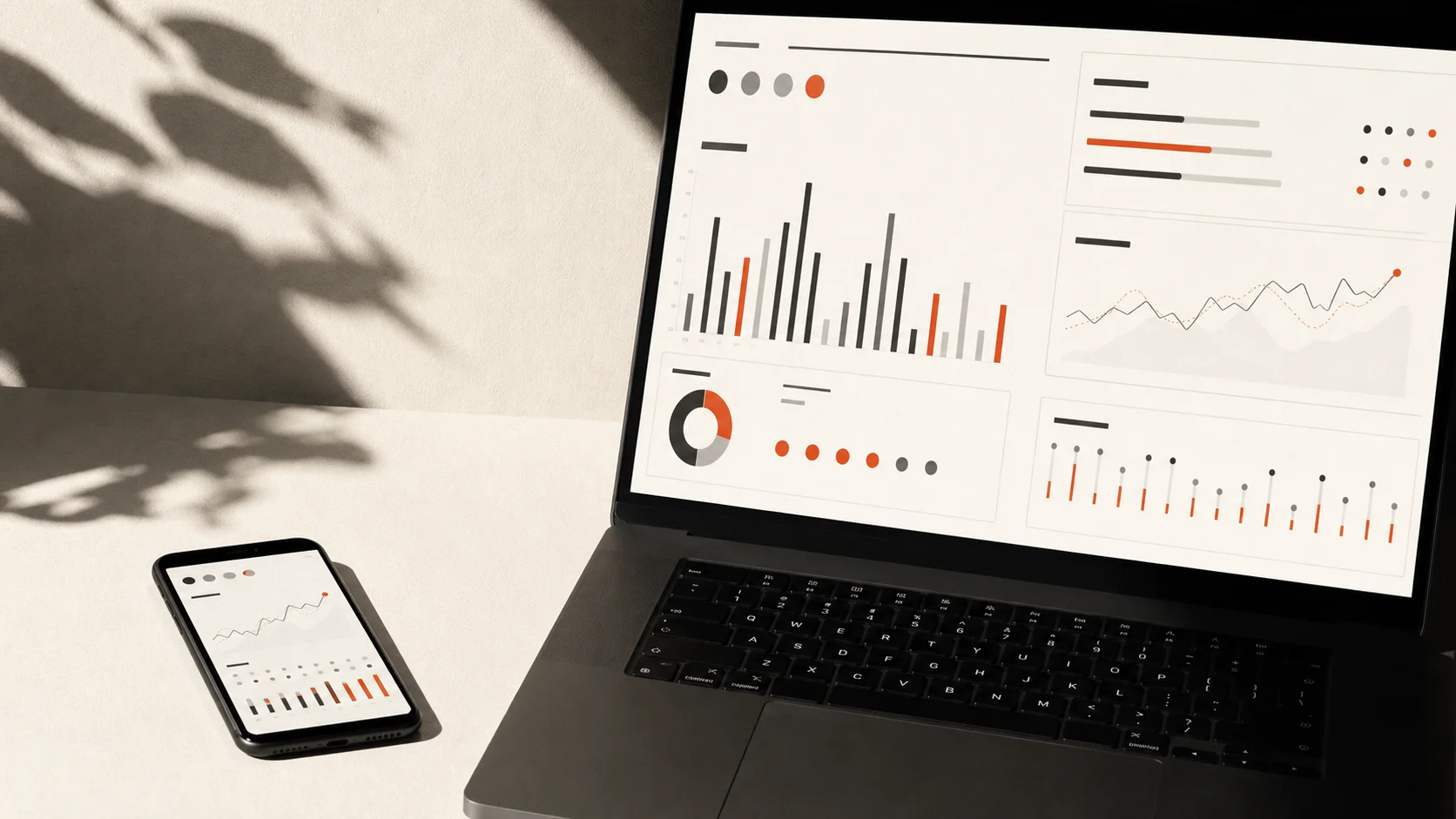
Performance Max has never been popular for its transparency. Since launch, advertisers have poured budget and assets into a single automated campaign spanning Search, Display, YouTube, Gmail and Discover, with little visibility into what was actually driving results. Google's 2026 update is a direct response to years of that complaint. New audience exclusions, budget forecasting, placement reporting and structured asset testing give advertisers real controls inside the black box for the first time. For Norwich and Norfolk businesses running Performance Max, or considering it, here is what actually changed and how to use it.
Why Performance Max earned its black box reputation
Performance Max automates targeting, bidding and creative selection across almost every Google surface in one campaign. That automation is powerful, but it came at the cost of visibility. Advertisers could see overall results but not which asset, audience or placement was actually responsible for them, which made it hard to learn anything specific from a campaign or defend the spend with confidence. The 2026 update does not remove the automation. It adds windows into it.
Audience exclusions: keep new-customer budget for new customers
One of the most requested fixes has arrived: first-party audience exclusions. You can now exclude existing customer lists from a Performance Max campaign, so budget goes toward acquiring people who have not bought from you yet rather than re-serving ads to people who already have. For a Norwich business with a strong base of repeat customers, a plumber with regular maintenance clients, a clinic with returning patients, this alone can meaningfully improve how efficiently new-customer budget is spent.
Budget forecasting inside the campaign
Performance Max now includes a report that projects likely end-of-month spend based on your current daily budget, rather than leaving advertisers to guess whether a change will overspend or underspend across a month. It sounds like a small addition, but it removes one of the more stressful parts of managing an automated campaign, making a budget change and not knowing its knock-on effect until the invoice arrives.
Placement reporting for brand safety
The "When and where ads showed" tab now surfaces placement data by network, giving advertisers visibility into where their ads actually appeared across the Performance Max surfaces. For businesses that care where their brand shows up, not just how many clicks it generated, this closes a real gap in what used to be a largely invisible part of the campaign.
Structured asset A/B testing
A June 2026 rollout introduced genuine testing inside Performance Max. Advertisers can now compare entire asset groups against each other, isolate the effect of adding a single new asset, or run seasonal creative against evergreen versions and see which performs better. This addresses one of the platform's longest-standing criticisms directly: previously, you fed Performance Max your best assets and had to trust the algorithm's judgement of what worked. Now you can actually test that judgement.
What Norwich advertisers should do with these controls
Having the tools available is only useful if they are actually switched on and used.
- Add your customer list as an audience exclusion if repeat business already keeps your existing customers coming back.
- Check the new budget forecast before making a significant daily budget change.
- Review the placement report monthly, particularly if brand perception matters as much as click volume.
- Expand your search themes, now supporting up to 50 per asset group, to give the algorithm clearer signals of intent.
- Run at least one structured asset test rather than assuming your current creative is the best it can be.
Where Mousehold Studio fits in
Performance Max still rewards active account management, not a set-and-forget upload of assets and a walk away. We run Google Ads accounts for Norwich and Norfolk businesses with these new controls switched on from day one, checking placement data, testing assets properly and keeping budget pointed at genuinely new customers rather than trusting automation blindly.
The bottom line
Performance Max is more transparent in 2026 than it has ever been, but only for advertisers who actually use the new controls. Get your account managed properly with our Google Ads management service, or talk to Mousehold Studio about your Performance Max setup.