Missed calls are expensive for service businesses. A customer who cannot get through may not leave a voicemail or wait for a callback. They often ring the next company. Automated call flows give your business a way to answer, triage and book calls consistently, even when the team is busy, on site or outside normal opening hours.
What automated call flows actually are
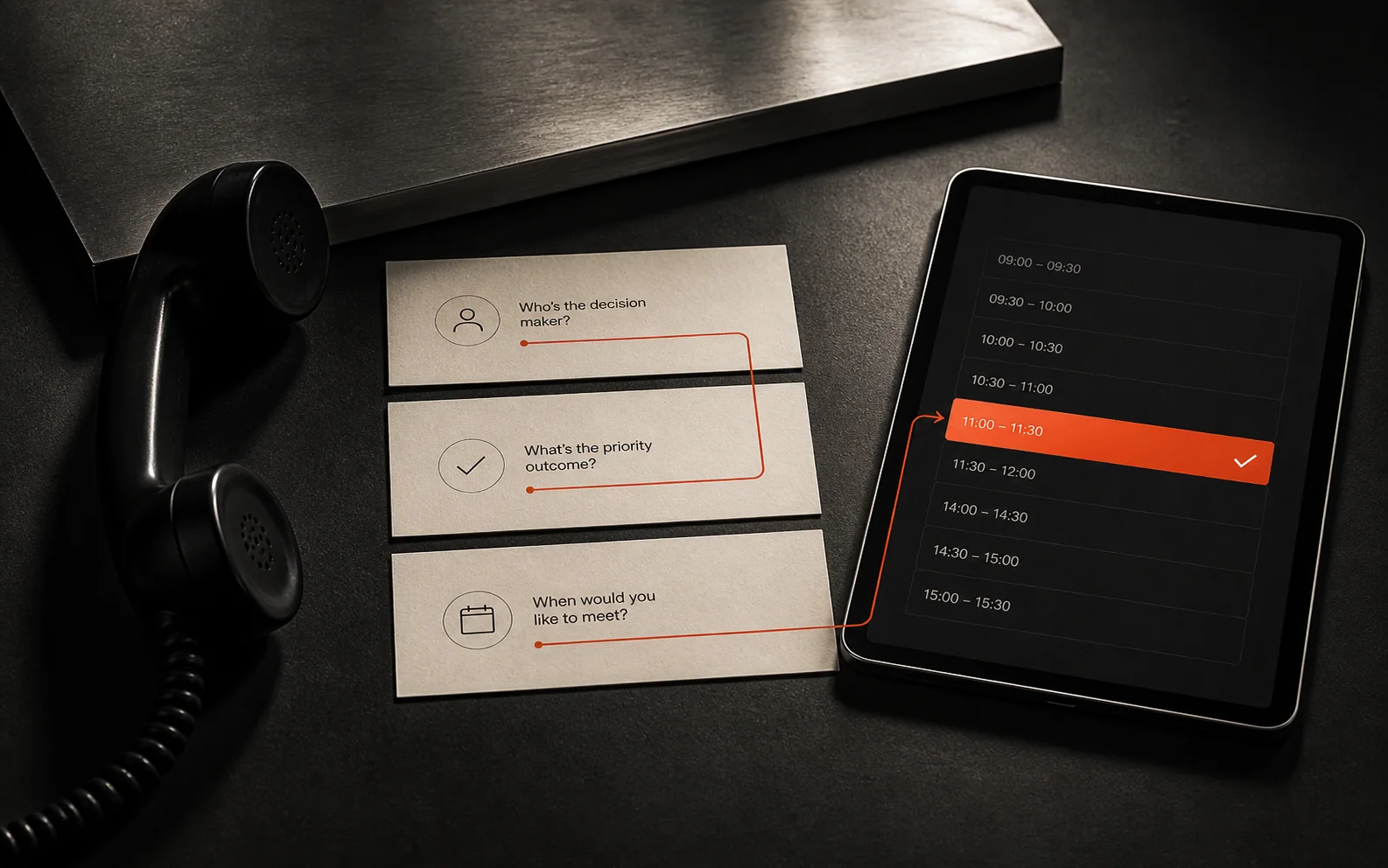
An automated call flow is the logic that decides what happens when someone rings your business. A modern AI phone agent can greet the caller, understand why they are calling, ask the right questions, check appointment rules, take a message, route urgent calls and pass structured notes to your team.
Where AI phone agents help first
The strongest use cases are calls that follow a predictable pattern. If your team asks the same first five questions every time, that part of the call can often be structured.
- After-hours enquiries where the caller needs to know whether you can help.
- Appointment booking for clinics, trades, consultations or service visits.
- Lead qualification for sales calls before they reach a human.
- Basic triage so urgent calls are escalated and routine calls are logged properly.
- Call summaries that arrive by email or in your CRM with the key details already captured.
Why the flow matters more than the voice
Voice quality is important, but the workflow is what makes the system useful. The call agent needs to understand opening hours, service areas, booking rules, escalation paths, unavailable services and what information your team needs before they call back.
What to map before building
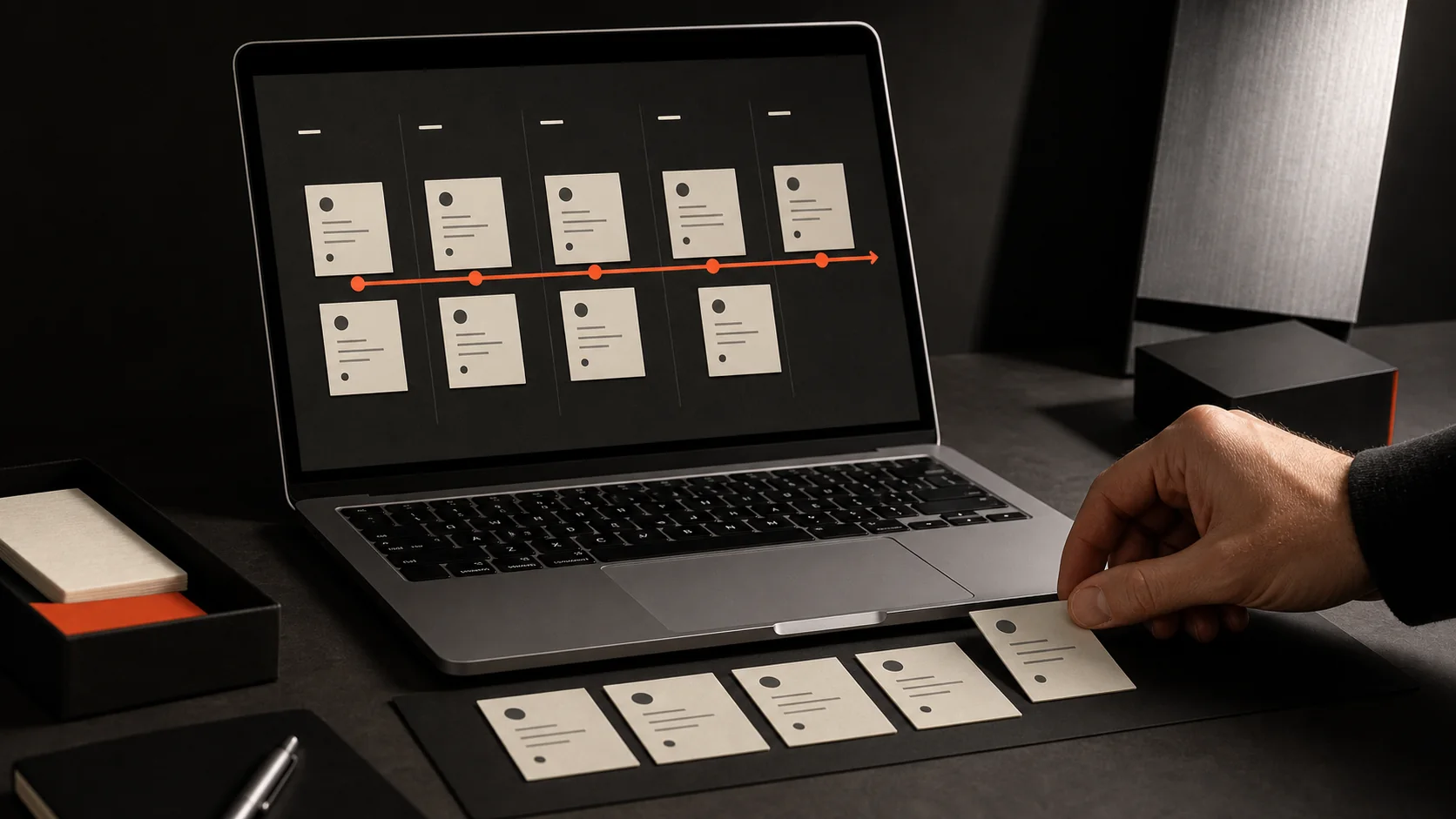
Before development, map the common call types and decide what should happen in each one. A clean call flow keeps the caller moving without pretending every situation can be automated.
- Opening-hours and after-hours behaviour.
- Questions needed for bookings, quotes, cancellations or support calls.
- Rules for urgent calls, complaints and vulnerable customers.
- Calendar, CRM or email destinations for captured information.
- Fallback messages when the caller asks for something outside the system scope.
How this connects to wider business software
Automated call flows become more valuable when they connect to your website, booking tools, CRM or job management system. A phone call can create an enquiry record, reserve an appointment, notify the right person or attach notes to an existing customer.
A sensible first version
The first version should handle one high-volume call type well. For many businesses that means appointment requests, new enquiries or after-hours messages. Once the flow is stable, you can add more call types and deeper integrations.
The bottom line
Automated call flows are worth considering when missed calls, repeated questions or manual message-taking are costing your business time and enquiries. The right system sounds professional, follows your rules and hands over to humans at the right moment.